
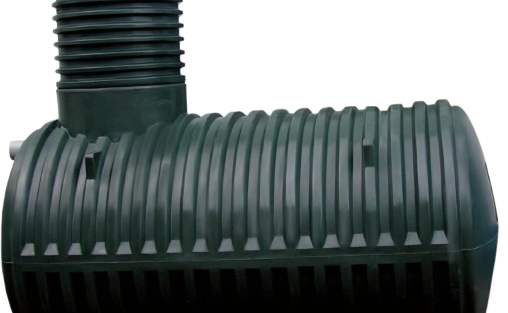
Rwanda is on the rise, blending ambitious urban development with a commitment to sustainability. As Kigali’s skyline expands and rural areas modernize, one often-overlooked hero is quietly supporting this growth: the septic tank. Far from just a waste solution, septic tanks—like those from Roto Rwanda—are key to a cleaner, healthier, and more sustainable future.
The Sanitation Challenge
Rwanda’s population is growing, with over 13 million people and counting. Urban centers like Kigali are bustling, while rural communities are gaining access to better infrastructure. Yet, centralized sewer systems can’t keep up everywhere—construction is costly, and hilly terrain complicates piping. Enter septic tanks: affordable, standalone systems that manage waste where traditional sewers fall short.
How Septic Tanks Help
These tanks collect and treat wastewater on-site, breaking down solids naturally while letting liquids filter into the soil. Modern designs, like Roto Rwanda’s durable polyethylene models, are leak-proof and corrosion-resistant, preventing contamination of groundwater—a big win for a country prioritizing clean water. They’re also low-maintenance, needing only periodic emptying, which suits both busy households and small businesses.
Supporting Rwanda’s Green Goals
Rwanda aims to be a regional leader in sustainability, with initiatives like banning single-use plastics and promoting eco-friendly cities. Septic tanks fit this vision perfectly. Unlike sewers that demand heavy energy for treatment plants, septic systems rely on natural processes, cutting carbon footprints. Their portability also means less land disruption during installation—ideal for preserving Rwanda’s lush landscapes.
Economic and Social Impact
For growing communities, septic tanks are a practical investment. A rural school or a Kigali suburb can install one without waiting years for sewer lines, improving sanitation fast. Businesses—think hotels or farms—benefit too, avoiding downtime from waste issues. Healthier environments reduce diseases like cholera, freeing up resources for education and jobs, which fuel Rwanda’s economic climb.
A Case in Point
Take a mobile toilet or septic tank from Roto Rwanda: lightweight, tough, and built to last. In a place like Kicukiro, opposite the Ministry of Health, these systems could serve homes and offices alike, proving sanitation doesn’t need to lag behind progress. They’re scalable too—add units as a village grows into a town.
The Bigger Picture
Rwanda’s Vision 2050 targets universal water and sanitation access. Septic tanks bridge the gap, offering a sustainable stopgap—or even a permanent fix—in areas where sewers aren’t feasible. They’re not just about waste; they’re about dignity, health, and growth, supporting Rwanda’s leap toward a modern, green nation.
In a land of a thousand hills, septic tanks are a small but mighty step toward sustainable living. They’re proof that practical solutions can power big dreams—keeping Rwanda thriving, one clean community at a time.