
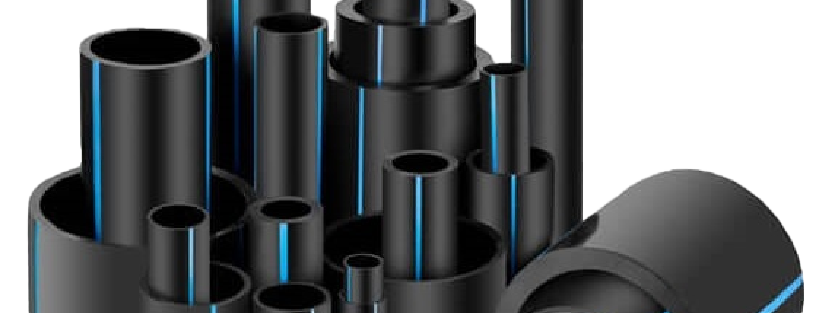
Rwanda’s rapid development, especially in its bustling capital Kigali, demands a water infrastructure that’s reliable, efficient, and sustainable. Enter High-Density Polyethylene (HDPE) pipes—a game-changer in modern plumbing and water distribution systems. But why are these pipes poised to shape the future of Rwanda’s water networks?
First, HDPE pipes are incredibly durable. Made from a tough, flexible thermoplastic, they resist corrosion, rust, and chemical degradation—common issues with traditional metal or concrete pipes. In Rwanda, where water sources can vary in quality and terrain can be challenging, this longevity translates to fewer repairs and replacements, saving both time and money.
Second, their flexibility is a perfect match for Rwanda’s diverse landscape. From hilly rural areas to expanding urban centers, HDPE pipes can bend without breaking, making installation easier and less invasive. This adaptability reduces the need for joints, lowering the risk of leaks—a critical advantage as Rwanda works to conserve every drop of its precious water resources.
Sustainability is another key factor. HDPE pipes are lightweight, reducing transportation costs and carbon emissions during delivery. They’re also recyclable, aligning with Rwanda’s ambitious green initiatives, like its push for eco-friendly urban planning. Plus, their smooth interior surface ensures efficient water flow, minimizing energy use in pumping systems.
Finally, HDPE pipes are cost-effective over time. While the upfront cost might be comparable to other materials, their extended lifespan—often exceeding 50 years—and low maintenance needs make them a smart investment for Rwanda’s growing infrastructure. As the country aims to achieve universal water access by 2030, HDPE pipes offer a practical solution to meet this goal.
In a nation blending tradition with innovation, HDPE pipes stand out as a forward-thinking choice. They’re not just pipes—they’re a foundation for Rwanda’s water future, ensuring clean, reliable supply for generations to come.